

Concept Project / 2011
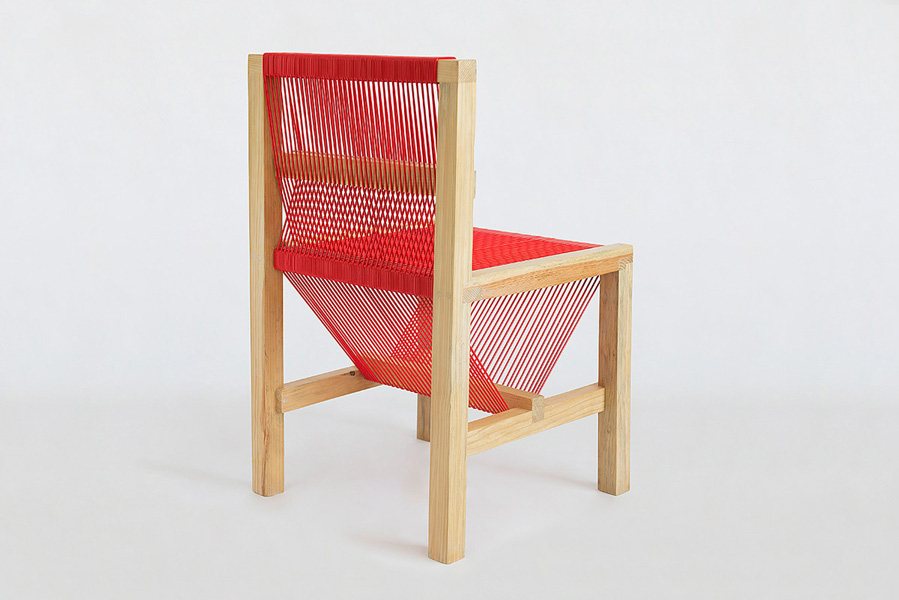
Telar Chair
Furniture Design
A conceptual chair design inspired by the traditional Guatemalan foot loom, transforming its structure, materials, and weaving language into a contemporary piece of furniture that celebrates textile heritage.

Overview
In this project I explore how a traditional Guatemalan foot loom could be transformed into a chair, using furniture as a medium to create a dialogue between traditional craft and contemporary design. The chair takes direct inspiration from the loom’s structure and weaving process, transforming familiar elements into a new functional object.
The Challenge
The starting point was a simple question: How through a design process can the structure and weaving process of a foot loom be translated into a chair? To answer this, I needed to capture its defining characteristics as the foundation for a new object, preserving recognizable references while giving them a different purpose.
Understanding
Material & Cultural Context
As a first step, I researched the cultural context and materials used in traditional foot looms, exploring their construction, structural composition, and function.
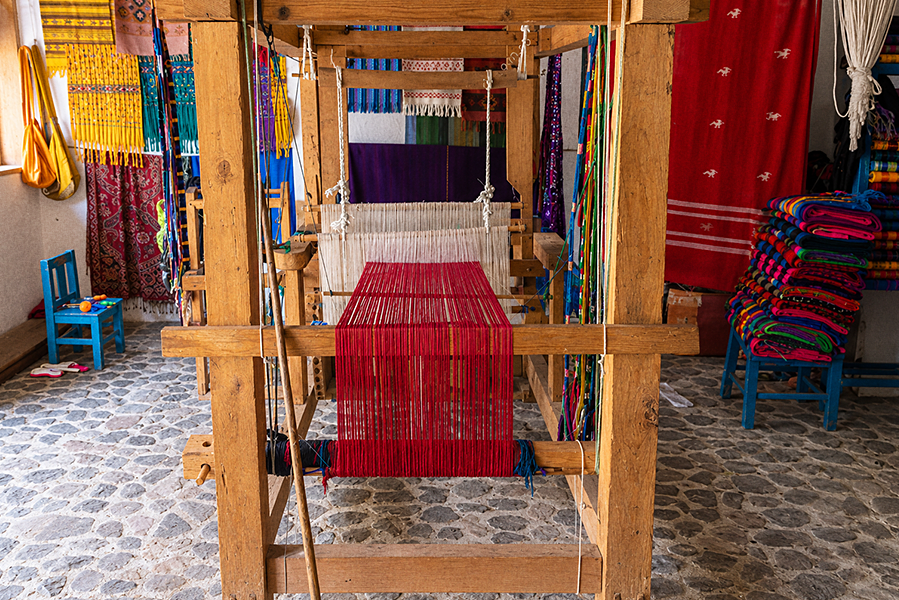
The traditional Guatemalan foot loom is a wooden treadle loom used to produce woven textiles, particularly within the country’s highland communities. Its structure combines a wooden frame, pedals, and a system of threads that allows the weaver to control tension and create intricate patterns.
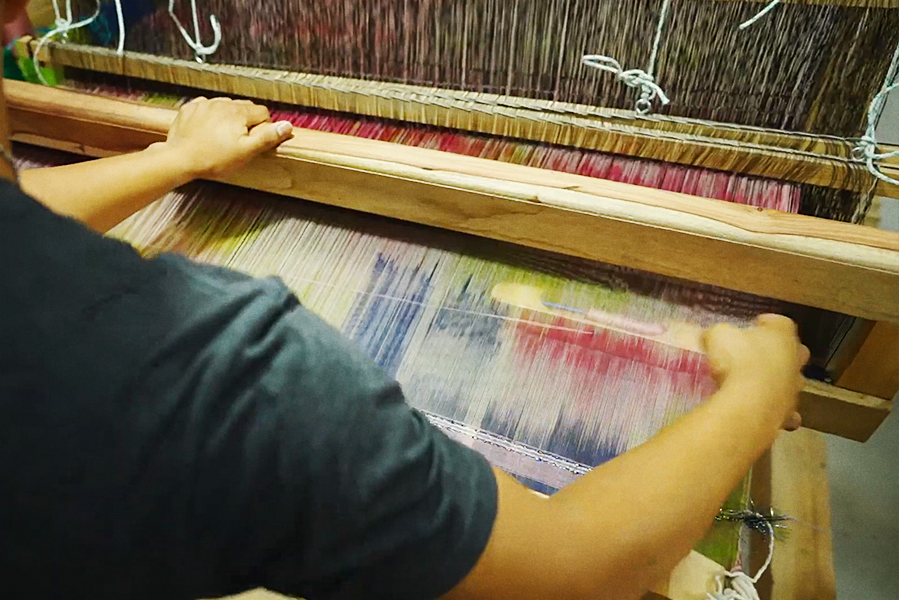
Weaving has long been an important expression of Maya cultural identity, with textile patterns, colors, and techniques.
Development
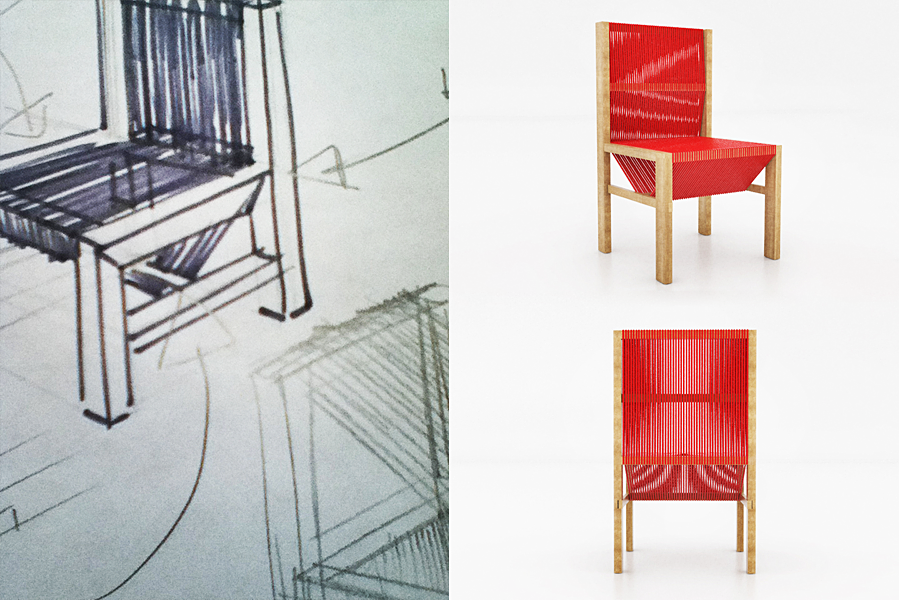
After defining which elements I wanted to incorporate into the design, I sketched several ideas until I arrived at a concept that best expressed the essence of the project. I then developed CAD models to refine the design and plan the construction phase.
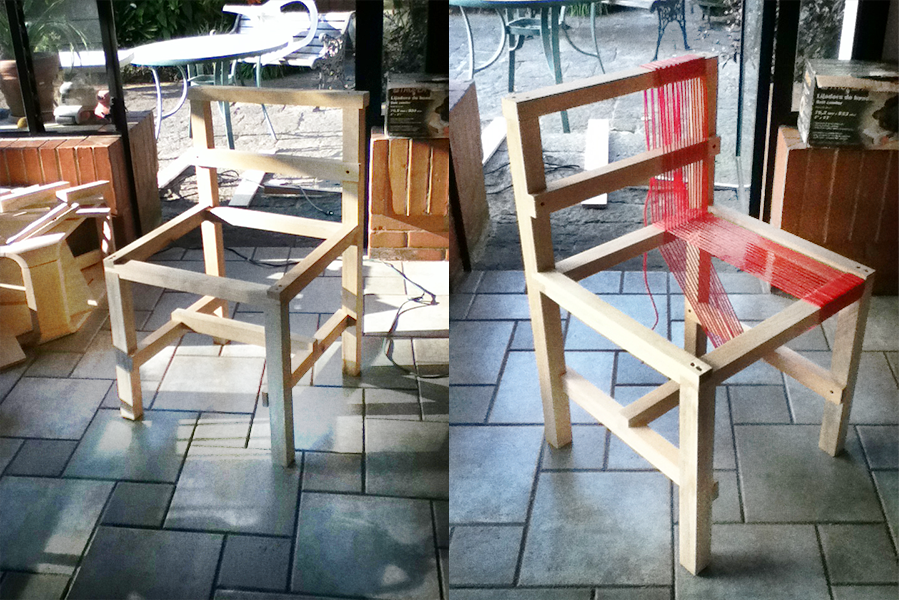
For the construction, I chose pine wood because it is the same material used in many traditional looms, connecting the chair directly to the craft traditions that inspired the project.
Weaving as Structure
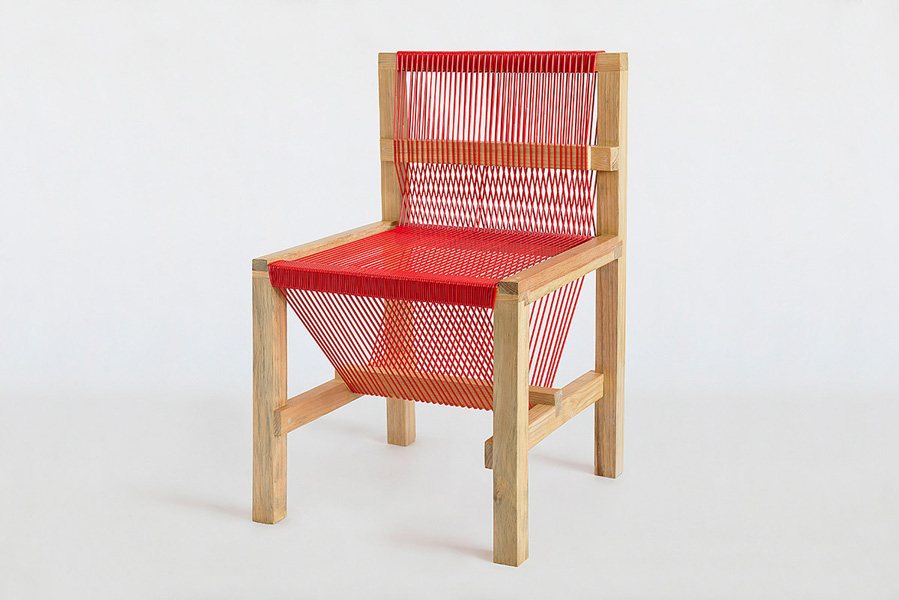
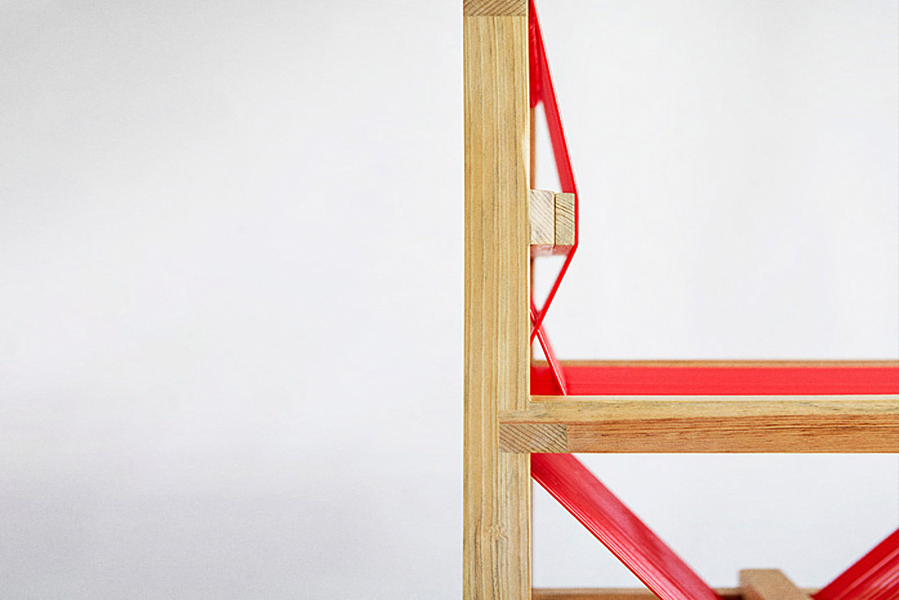
The seat and backrest reinterpret the loom’s textile component through plastic thread, arranged to mimic the positioning and rhythm of cotton threads within the traditional weaving process, creating a visual and conceptual connection between the chair and the loom, while transforming the weaving itself into a functional part of the furniture.
The Solution
The result is a chair with a strong visual character and cultural identity, where structure, material, and weaving come together to reference Guatemala’s textile heritage.
The chair becomes a bridge between tradition and contemporary design, transforming the familiar language of the loom into a new object, maintaining its connection to the materials, processes, and cultural heritage from which it originated.